5 Ways to Make Booking a Massage Easier for Your Clients
As a massage therapist, everything from your branding to your booking process should be designed with your ideal client in mind. Someone looking to book a massage may already be tired, stressed, or simply trying to fit some self-care into a busy schedule. The last thing they need is a complicated, non-streamlined booking process or an email-based system that leaves them guessing about what happens next.
When someone is interested in your services, reducing friction is key.
So, how can you create a smoother online booking experience for your massage therapy clients? Let's look at five ways to make the process easier.

Photo by Clement Nivesse
1. Make Your Booking Link Easy to Find
A beautiful, on-brand website is what most wellness professionals strive for, but you also want to make sure that your massage therapist website booking buttons are strategically placed where they matter most.
For example, a visitor may read about your 60-minute Swedish massage and decide it's exactly what they need. If they have to navigate back to the homepage, find your contact page, and send an email just to ask about availability, the process becomes unnecessarily complicated.
Here are some examples of where massage therapists can place booking links so visitors can find them naturally:
Main navigation menu
Homepage
Individual massage service pages
Contact page
Relevant blog posts
Social media profiles
Additionally, using clear labels like Book a Massage, Schedule Your Appointment, or Book Your Session can be more helpful than vague buttons like Learn More. A thoughtfully designed website for massage therapists should make important actions, including booking an appointment, easy to find throughout the client journey.

Photo by Steve A Johnson
2. Let Clients See Availability and Book Online
Have you ever been interested in booking a wellness service online, only to find a Send Email button or a contact email address? If you're the type of person who prefers to avoid lengthy email exchanges, this can be frustrating.
As a massage therapist investing in custom web design, you can reduce unnecessary back-and-forth communication by allowing clients to see available appointment times and book when it suits them. You can always leave a contact email address for people who prefer to inquire before booking, but offering online scheduling can make the process more convenient for those who are ready to schedule an appointment.
Online scheduling for massage therapists doesn't always require an elaborate booking system. The right solution depends on the size of your practice, your appointment types, and how you prefer to manage your schedule.
Bonus tip: Make sure your appointment availability stays up to date. If you manage your own calendar or have multiple treatment rooms to coordinate, keeping availability accurate can help reduce scheduling conflicts and avoid double bookings.
Looking for a scheduling tool to simplify your booking process? Cal.com is one option to explore if you want clients to book available times online. Choose a scheduling solution that fits your practice, calendar, and appointment needs.
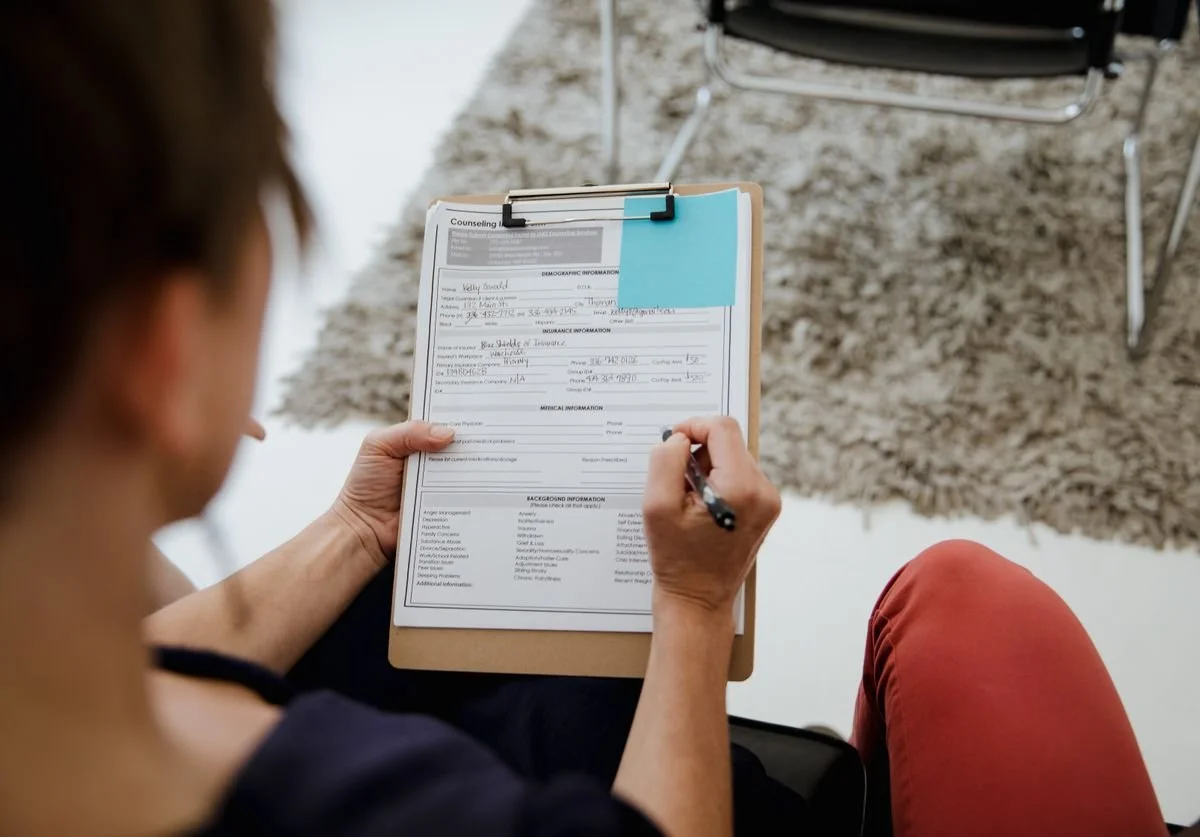
Photo by RDNE Stock project
3. Keep the Booking Form Simple
When creating a booking or intake form for your massage services, it's best to collect essential information upfront and save longer questions for later. A detailed health history, consent forms, and other relevant intake information may be necessary before treatment, but they don't all have to be crammed into the initial scheduling form. Ultimately, massage therapists should choose a process that meets their professional and privacy requirements.
Here are some examples of what to include on a booking form to simplify the process:
Client's name
Email address or phone number
Appointment type
Preferred date and time
Any essential intake questions
The idea is to let your website do the initial work of introducing your services and encouraging potential clients to book. Your booking process should then guide them through the next steps in a way that feels straightforward and convenient. A simple massage therapy booking process can help reduce unnecessary friction and make it easier for clients to schedule their appointments.
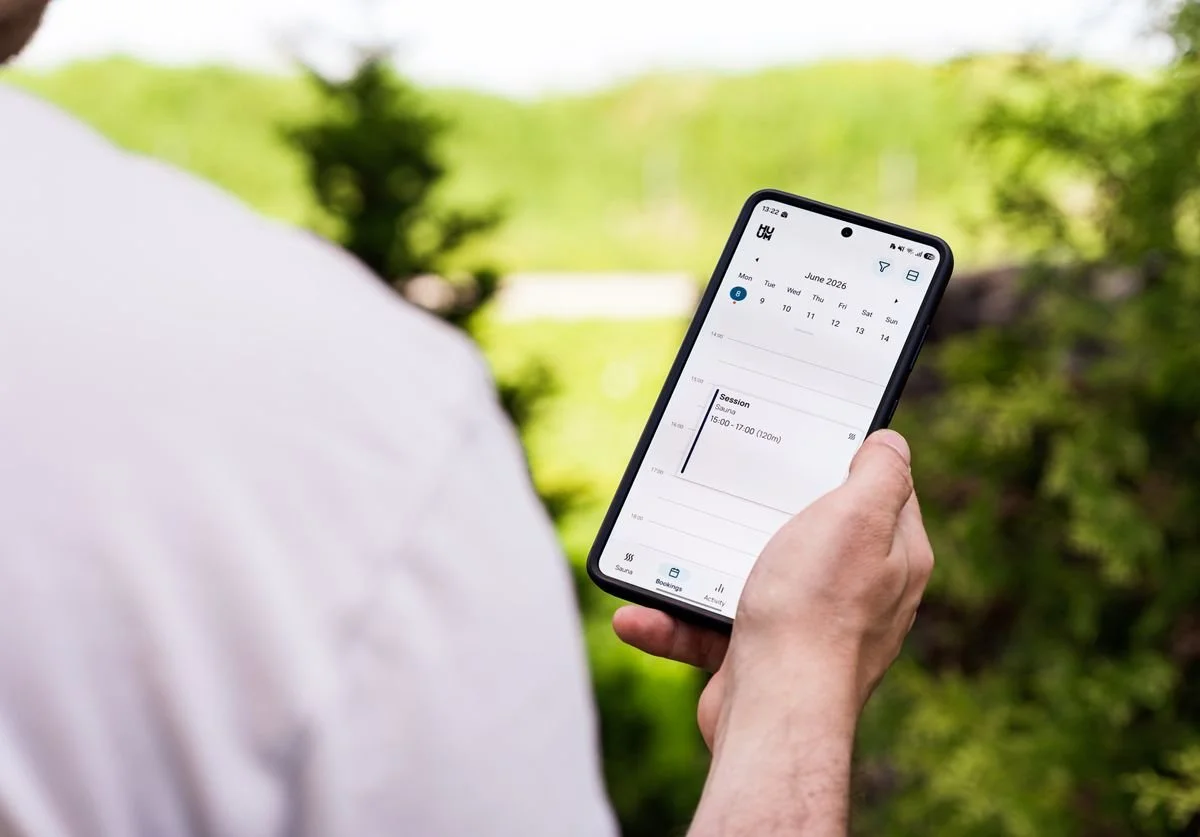
Photo by HUUM │sauna heaters
4. Make Booking Easy on Mobile Devices
Your booking process should work just as well on a phone as it does on a desktop. Potential clients may discover your massage practice through Instagram, Pinterest, Google, or a referral and visit your website directly from their phones. For this reason, it's important to test the booking process thoroughly before your website goes live so that technical issues don't become an obstacle when someone is ready to book.
A knowledgeable wellness website designer should ask questions about your booking preferences and requirements during the design process. This helps ensure that your website and online scheduling system work together to create a smooth experience across devices.
When your web designer asks you to preview your mobile website, make sure you check for issues such as:
Booking buttons that are difficult to tap
Forms that are awkward to complete on a small screen
Scheduling pages that require excessive scrolling
External booking tools that don't display properly
Text that is too small to read comfortably
All massage therapists should test their own booking process on a phone from beginning to end. This allows you to experience the process as a potential client would and identify any problems before they affect the booking experience.

Photo by Ann H
5. Give Clients Clear Confirmation and Next Steps
Improving the massage booking experience means understanding that the user experience doesn't end when someone clicks Book Now.
In fact, what happens after the booking is just as important. The next steps should be clearly outlined on your website in a concise summary, followed by a confirmation email that reiterates the same information.
Massage therapist booking confirmations should typically include:
Appointment date and time
Location or virtual appointment details, if applicable
Directions or parking information
Cancellation or rescheduling policy
Payment or deposit details
What clients should know before their first visit
How to contact the practice with questions
Bonus tip: Automated appointment reminders can be helpful for both clients and massage therapists. Depending on how your scheduling system is configured, reminders can help clients remember their appointments and may reduce the likelihood of no-shows.

Photo by Alex Green
Final Thoughts
A seamless booking process doesn't necessarily require expensive technology or a complicated website. Often, small improvements can make scheduling more convenient for clients and easier to manage for massage therapists.
In today’s blog, we explored five ways to improve the booking experience: making booking links easy to find, offering convenient online scheduling, keeping forms simple, testing the mobile booking experience, and providing clear confirmations with next steps.
At Nomadic Virtual Solutions, I design thoughtful, strategic Squarespace websites for wellness professionals, including massage therapists who want a website that reflects their practice and makes it easier for clients to navigate their services.
If your current website needs a more intentional booking experience, feel welcome to book a discovery call to discuss your vision for your massage therapy website design.